How AI Is Transforming Global Investing in 2026: From Robo-Advisors to Predictive Wealth Management
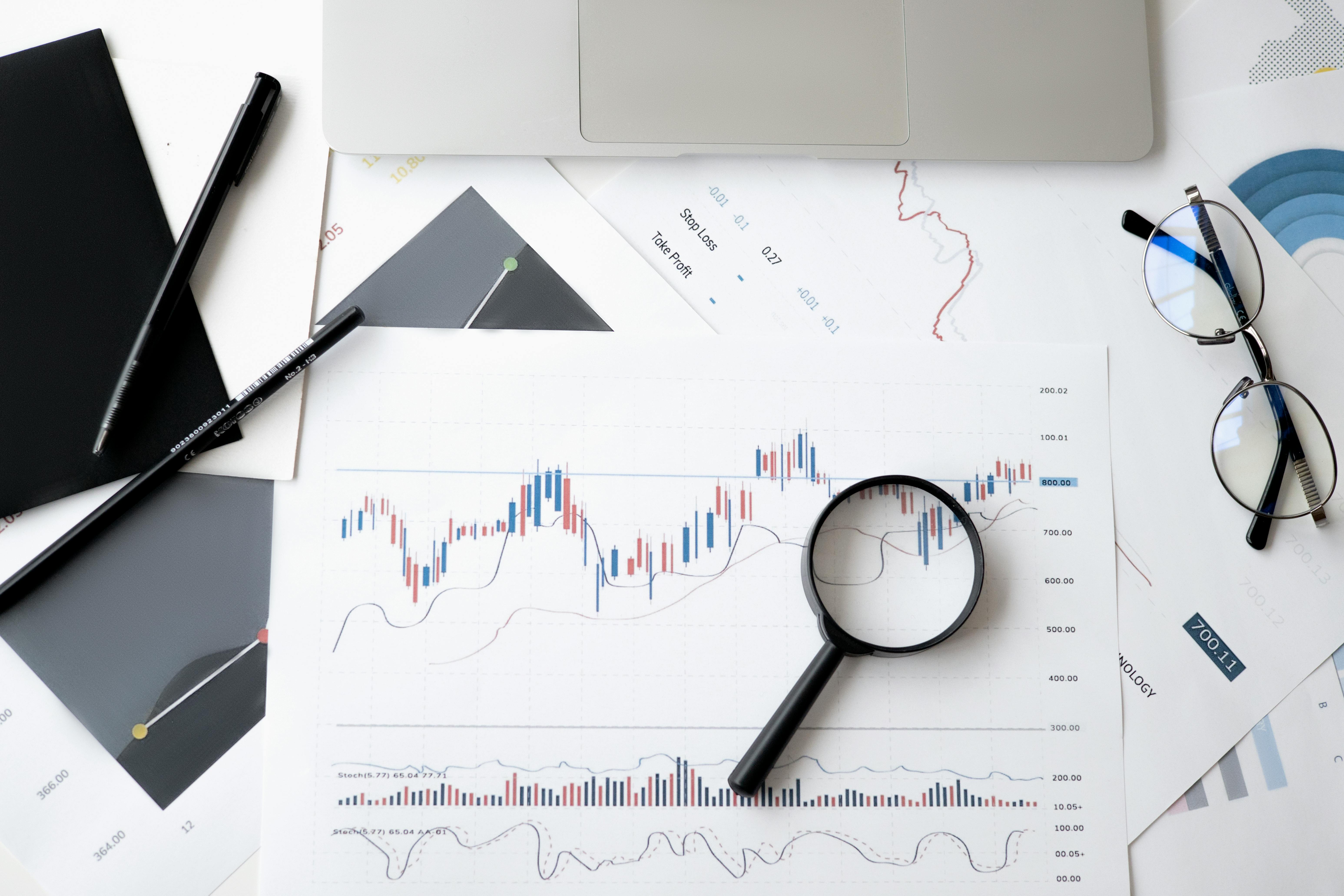
AI is transforming global investing in 2026 by replacing static, rules-based portfolio models with adaptive systems that read inflation data, central bank signals, and market sentiment in real time. Robo-advisors once limited to simple asset allocation now use machine learning to rebalance portfolios continuously, flag emerging risks, and personalize strategies for individual investors. This shift is reshaping how retail investors, wealth managers, and even hedge funds approach decision-making, turning what used to be quarterly reviews into a constant, data-driven conversation between human judgment and algorithmic insight.
The backdrop for this transformation is a global economy defined by uncertainty. The US Federal Reserve continues to weigh rate cuts against sticky inflation, the European Central Bank is navigating slower growth across the eurozone, and the Reserve Bank of India is balancing currency stability with domestic demand. Meanwhile, equity markets swing on every earnings surprise, geopolitical headline, or AI chip announcement, and crypto assets add another layer of volatility to household portfolios. In this environment, investors increasingly rely on AI-powered tools to process more information than any human analyst could manage alone.
Platforms like rupiya.ai reflect this broader movement toward accessible, intelligent financial guidance, helping everyday investors make sense of complex markets without needing a finance degree. This article breaks down how AI is reshaping global investing, why the timing matters so much right now, and what practical steps investors can take. It also connects to a closely related question many investors are asking: can AI actually predict stock market crashes before they happen, a topic explored in depth later in this cluster of articles.
Understanding AI-Driven Investing
AI-driven investing refers to the use of machine learning, natural language processing, and predictive analytics to analyze markets, manage portfolios, and generate financial insights faster than traditional methods allow. Unlike static algorithms that follow fixed rules, modern AI models learn from historical patterns, live market data, and even unstructured sources like news articles and earnings call transcripts. This allows platforms to detect subtle shifts in sentiment or momentum long before they show up in conventional metrics. The result is a form of investing that is continuously recalibrated rather than reviewed on a fixed quarterly or annual schedule.
At its core, this technology spans three layers: robo-advisory platforms that automate portfolio construction, predictive analytics engines that forecast price movements and risk exposure, and conversational AI assistants that translate complex financial data into plain language. Robo-advisors like Betterment and Wealthfront in the US, or Scalable Capital in Europe, use algorithmic asset allocation based on risk tolerance. Predictive engines used by hedge funds go further, ingesting satellite imagery, shipping data, and social sentiment to anticipate market moves before they are priced in.
Why It Matters Now
2026 has proven to be one of the more volatile years for global markets in recent memory. Persistent inflation in several major economies has kept central banks cautious, with the Fed holding rates higher for longer than many analysts expected at the start of the year. The ECB has cut rates modestly to support a sluggish eurozone economy, while the RBI has maintained a careful balance to protect the rupee amid global capital flows. These divergent policy paths create currency swings and cross-border investment risks that are difficult for individual investors to track manually, making AI-assisted analysis increasingly valuable.
Recession risk remains a live concern across major economies, with mixed signals from labor markets, consumer spending, and manufacturing data. At the same time, equity markets have shown sharp intraday volatility driven by AI-sector earnings, geopolitical tension, and speculative trading in crypto assets. For investors managing retirement savings or building long-term wealth, this combination of macro uncertainty and market noise makes traditional buy-and-hold strategies harder to execute with confidence. AI tools that continuously monitor these variables offer a way to stay informed without needing to track every headline personally.
How AI Is Transforming This Area
AI is transforming investing by shifting decision-making from periodic human review to continuous algorithmic monitoring. Machine learning models now process earnings reports, central bank statements, and social media sentiment within minutes of release, generating updated risk scores and portfolio recommendations almost instantly. This speed advantage is significant in fast-moving markets, where a delayed reaction to a Fed statement or an inflation print can mean the difference between protecting gains and absorbing losses. Large asset managers like BlackRock and Vanguard have integrated AI-driven risk analytics into their institutional platforms for exactly this reason.
Beyond speed, AI is improving personalization. Instead of generic model portfolios based on broad risk categories, modern platforms build individualized strategies that account for a person's income stability, spending habits, tax situation, and even behavioral tendencies like panic-selling during downturns. Natural language interfaces now let investors ask plain questions about their portfolios and receive clear, jargon-free answers. This democratization of sophisticated analysis, once reserved for institutional clients, is one of the most significant shifts AI has brought to retail investing over the past few years.
Real-World Global Examples
In the United States, JPMorgan's AI-powered research tools now scan thousands of analyst reports and earnings calls daily to generate trading signals for institutional clients, while retail platforms like Robinhood have introduced AI-driven insights to help everyday users understand market movements. In Europe, Deutsche Bank and other major lenders are piloting AI systems to assess credit and investment risk amid the region's uneven economic recovery. These deployments show that AI adoption in investing is no longer experimental but a core part of how major financial institutions operate day to day.
In Asia, Japanese and Singaporean wealth managers are using AI to navigate currency volatility linked to Bank of Japan policy shifts, while Indian fintech platforms are building AI tools tailored to first-time investors entering equity markets through SIPs and mutual funds. In the crypto space, exchanges like Coinbase and Binance use AI-driven anomaly detection to flag unusual trading patterns and potential market manipulation. Together, these examples show a consistent global pattern: AI is being embedded into both traditional and digital-asset investing infrastructure at every income level.
Practical Financial Tips
Investors looking to benefit from AI-driven tools should start by using them to complement, not replace, a clear personal financial plan. Set specific goals, such as retirement timelines or a home down payment, before relying on an AI platform's recommendations, since even the best algorithm performs better with clear inputs. Use AI-powered dashboards to track spending and investment performance in one place, but review recommendations critically rather than accepting them automatically. Diversification remains essential; no predictive model, however advanced, can fully eliminate market risk during periods of high volatility like 2026.
It also helps to understand the limits of the specific AI tool being used. Some platforms are optimized for long-term retirement investing, while others focus on short-term trading signals, and using the wrong tool for your goals can lead to mismatched expectations. Regularly reassess your risk tolerance as life circumstances change, since AI models rely on the accuracy of the inputs you provide. Finally, keep a portion of your financial decisions grounded in independent research rather than fully outsourcing judgment to any single algorithm.
Future Outlook
Looking ahead, AI's role in global investing is likely to deepen further as regulators establish clearer frameworks for algorithmic transparency and accountability. The US SEC and European regulators are both examining how AI-driven trading and advisory tools should be disclosed to consumers, which should improve trust over time. As large language models become more capable of reasoning over complex financial data, expect AI assistants to move from simple recommendations toward more sophisticated scenario planning, helping investors understand not just what to do, but why a given strategy fits their specific situation.
Predictive capabilities will also continue to improve, particularly around early warning signals for market stress, a theme closely tied to the growing interest in whether AI can predict stock market crashes before they unfold. While no system will ever achieve perfect foresight, incremental improvements in pattern recognition and macro data integration should make AI tools increasingly useful for risk management. Over the next several years, the gap between institutional-grade AI investing tools and those available to retail investors is expected to narrow significantly.
Risks and Limitations of AI-Driven Investing
Despite its promise, AI-driven investing carries real risks. Models trained on historical data can struggle with genuinely novel events, such as unexpected geopolitical shocks or sudden regulatory changes, since these situations have limited precedent to learn from. Overreliance on algorithmic recommendations can also lead to herd behavior, where many AI systems react similarly to the same data, potentially amplifying market swings rather than dampening them. Investors should treat AI outputs as one input among several, rather than as guaranteed predictions of future performance.
Data privacy and security are additional concerns, as AI platforms require access to sensitive financial information to function effectively. Investors should verify that any platform they use follows strong data protection standards and is transparent about how recommendations are generated. Regulatory oversight is still catching up to the pace of AI adoption in finance, meaning some tools operate with limited external validation. Understanding these limitations is essential to using AI responsibly as part of a broader, well-diversified investment strategy.
Frequently Asked Questions
What is AI-driven investing?
AI-driven investing uses machine learning and predictive analytics to build, monitor, and adjust investment portfolios in real time, often personalizing strategies based on individual financial goals and risk tolerance.
Is AI replacing human financial advisors?
No, AI is augmenting rather than replacing human advisors. Most investors benefit from a hybrid approach where AI handles data analysis and human advisors provide judgment on complex, personal decisions.
How does AI impact global stock markets?
AI increases the speed and volume of trading decisions, which can improve market efficiency but also amplify volatility when many algorithms react to the same signals simultaneously.
Can AI predict stock market crashes?
AI can identify early warning signals like unusual volatility or sentiment shifts, but it cannot guarantee accurate crash predictions, since markets are influenced by unpredictable human and geopolitical factors.