AI in Wealth Management: How Artificial Intelligence Is Reshaping Global Investing in 2026
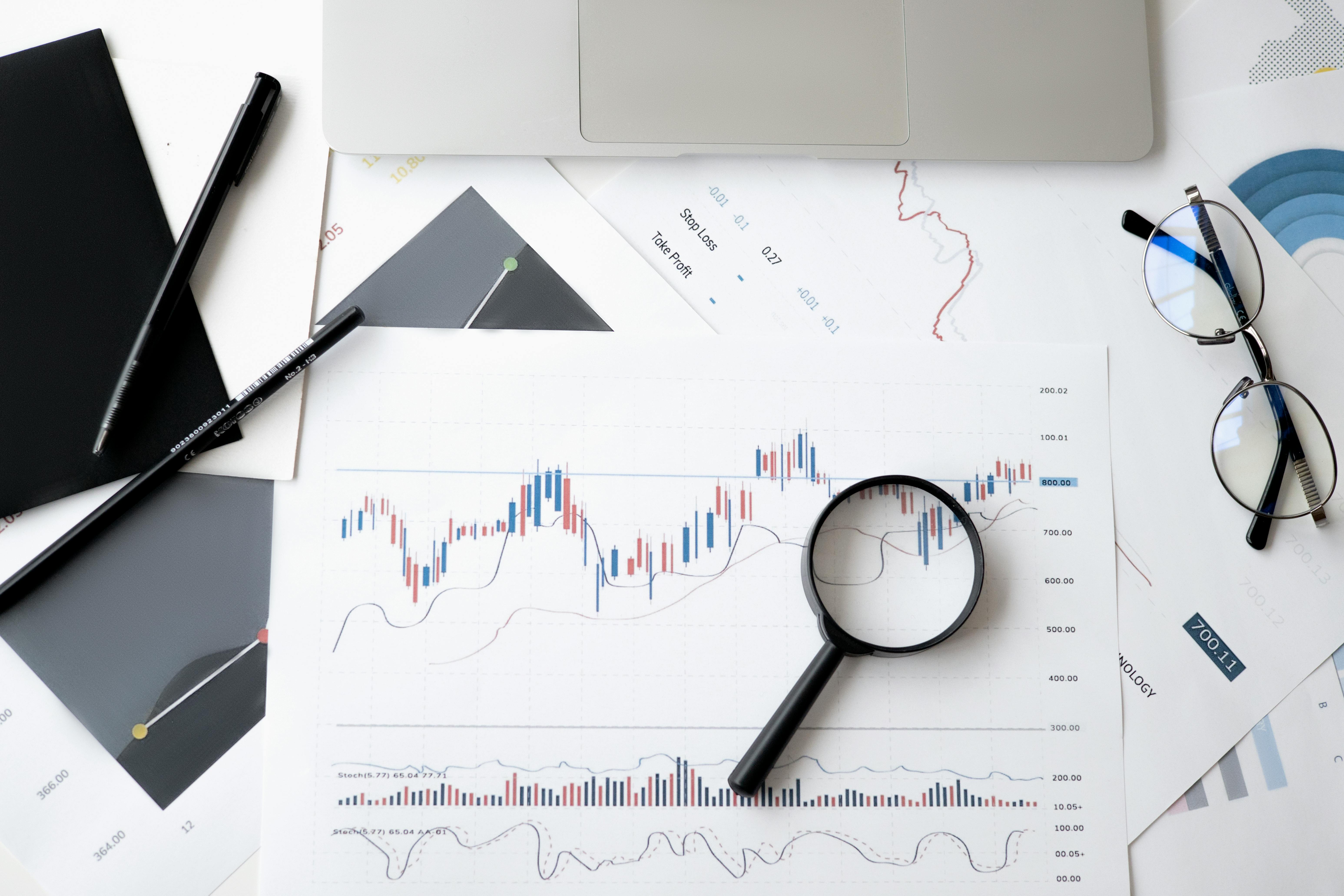
Artificial intelligence is reshaping global wealth management in 2026 by automating portfolio construction, delivering real-time risk analysis, and personalizing investment advice at a scale human advisors alone cannot match. Asset managers from New York to Singapore now rely on machine learning models to process market signals, rebalance portfolios within seconds, and flag anomalies before they become losses. This shift is not experimental anymore; it is the new operating standard across major banks, hedge funds, and retail investing platforms.
The backdrop for this transformation is a volatile macroeconomic environment. Central banks including the Federal Reserve, the European Central Bank, and the Reserve Bank of India have spent recent years navigating sticky inflation, unpredictable rate cycles, and geopolitical shocks that ripple through equity, bond, and currency markets. Investors are demanding faster, data-driven decisions, and traditional research cycles that once took days now feel dangerously slow when AI systems can digest earnings calls, central bank statements, and social sentiment in minutes.
Platforms like rupiya.ai reflect this broader industry movement toward AI-assisted financial decision-making, where algorithms support rather than replace human judgment. As this pillar article explores the mechanics, real-world adoption, and risks of AI-driven wealth management, it also connects to a pressing related question many investors are asking: is AI replacing financial advisors entirely, or simply changing what advisors do?
Concept Explanation
AI in wealth management refers to the use of machine learning, natural language processing, and predictive analytics to automate or enhance investment decisions. This spans robo-advisors that build diversified portfolios based on a client's risk profile, algorithmic trading systems that execute trades in microseconds, and AI copilots that summarize research for human advisors. Unlike static rule-based software from a decade ago, today's systems continuously learn from new data, adjusting recommendations as market conditions evolve.
A core distinction in 2026 is the move from generic robo-advisory tools toward hyper-personalized AI models. These systems now factor in an individual's spending behavior, tax situation, life goals, and even behavioral biases detected through past decisions. Instead of offering one of five generic risk buckets, modern AI wealth platforms generate portfolios that are functionally unique to each investor, updated dynamically as circumstances change.
Large language models also play a growing role in explaining complex financial concepts to everyday investors, translating dense market commentary into plain language. This democratizes access to sophisticated analysis that was once reserved for institutional clients with dedicated research teams, narrowing the information gap between retail and professional investors.
Why It Matters Now
2026 has proven to be a pivotal year for AI adoption in finance because market conditions leave little room for slow, manual decision-making. Persistent inflation pressures in several major economies, combined with fluctuating interest rate expectations, have made portfolio rebalancing a near-constant necessity rather than a quarterly exercise. AI systems that can react to macroeconomic data releases in real time offer a meaningful edge over legacy processes.
At the same time, a generational wealth transfer is underway, with younger, digitally native investors expecting mobile-first, always-on financial tools rather than quarterly meetings with a human advisor. This demographic shift is pushing wealth managers to integrate AI not as a novelty but as a core service expectation, similar to how banking apps became standard rather than optional.
Regulatory bodies across the US, EU, and Asia are also responding, issuing new guidance on algorithmic accountability and explainability in financial advice. This growing scrutiny signals that AI in wealth management has moved from a fringe innovation to a mainstream infrastructure component that regulators consider systemically important.
How AI Is Transforming This Area
Predictive analytics engines now scan thousands of data points, including earnings reports, supply chain disruptions, and central bank communications, to forecast short and medium-term asset movements. These models do not guarantee accuracy, but they compress research timelines dramatically, allowing portfolio managers to test more scenarios before committing capital.
Natural language processing has transformed sentiment analysis, with AI systems parsing news articles, earnings call transcripts, and social media in real time to gauge market mood shifts before they fully materialize in price action. Hedge funds increasingly blend this sentiment data with traditional fundamentals to build more responsive trading strategies.
AI-driven risk management tools continuously stress-test portfolios against thousands of simulated market scenarios, identifying concentration risks or correlated exposures that human analysts might overlook. This capability became especially valuable during recent bouts of equity market volatility, where AI systems flagged portfolio vulnerabilities days before losses accelerated.
Real-World Global Examples
In the United States, major wealth management divisions at large banks have expanded AI-powered advisory tools that generate personalized investment recommendations while human advisors focus on complex estate planning and behavioral coaching. This hybrid model has become the dominant structure among top-tier US wealth platforms in 2026.
European asset managers, operating under stricter data and AI governance frameworks, have focused heavily on explainable AI models that can justify every recommendation to regulators and clients alike. This has made European fintech firms leaders in transparent, auditable AI investment tools rather than purely performance-driven black-box systems.
Across Asia, particularly in India and Southeast Asia, AI-powered micro-investing apps have expanded financial access to first-time investors who previously lacked entry points into equity and mutual fund markets. Meanwhile, crypto-native platforms increasingly use AI models to monitor blockchain transaction patterns, helping detect fraud and improve liquidity forecasting across volatile digital asset markets.
Practical Financial Tips
Investors exploring AI-driven wealth tools should first understand what the underlying algorithm optimizes for, whether that is long-term growth, tax efficiency, or short-term volatility reduction. Blindly trusting a platform without understanding its objective function can lead to mismatched expectations, especially during market downturns.
It remains wise to treat AI recommendations as one input rather than an absolute directive. Cross-referencing AI-generated insights with independent research or a human advisor's judgment helps catch edge cases that models trained on historical data may not anticipate, such as unprecedented geopolitical events.
Diversifying across AI tools rather than relying on a single platform can also reduce model-specific risk, since different systems weigh macroeconomic indicators differently. Regularly reviewing fee structures is equally important, as AI-driven advisory services often carry lower costs than traditional advisors, but not always transparently disclosed ones.
Future Outlook
Looking beyond 2026, wealth management is expected to move toward fully agentic AI systems capable of executing multi-step financial plans autonomously, from tax-loss harvesting to rebalancing across multiple accounts, with human oversight limited to setting broad objectives and guardrails.
Integration between AI wealth tools and real-time banking data is also likely to deepen, allowing systems to adjust investment strategies based on actual cash flow changes rather than static assumptions. This convergence of banking and investing data could make personal finance management feel far more seamless within the next few years.
Regulatory frameworks will continue evolving alongside this technology, and firms that prioritize explainability and client trust are likely to outperform those that treat AI purely as a cost-cutting tool. The winners in this space will be platforms that balance automation with genuine accountability.
Risks and Limitations of AI in Wealth Management
AI models are only as reliable as the historical data they are trained on, which means unprecedented market shocks, such as sudden geopolitical conflicts or unexpected policy shifts, can expose blind spots that no algorithm fully anticipated. Overreliance on AI during such moments can amplify losses rather than prevent them.
Data privacy and security remain significant concerns, as AI wealth platforms require access to sensitive financial information to function effectively. Any breach or misuse of this data carries reputational and regulatory consequences that extend well beyond a single client relationship.
There is also a risk of herd behavior, where multiple AI systems trained on similar data sets and signals make correlated decisions simultaneously, potentially amplifying market volatility rather than dampening it. Regulators are actively studying this systemic risk as AI adoption in trading and wealth management continues to grow.
Frequently Asked Questions
What is AI in wealth management?
It is the use of machine learning and predictive analytics to automate portfolio construction, risk analysis, and personalized investment advice.
Is AI wealth management safe for beginners?
It can be a helpful starting point, but beginners should still understand the platform's strategy and combine AI insights with independent research.
Does AI replace the need for a financial advisor?
AI handles data-heavy tasks efficiently, but most investors still benefit from human guidance for complex life and tax decisions.
How is AI used in global stock markets today?
AI is used for sentiment analysis, real-time risk monitoring, algorithmic trading, and predictive forecasting across major global exchanges.