Can AI Predict Stock Market Volatility? Insights from Machine Learning and NLP Data Scientists
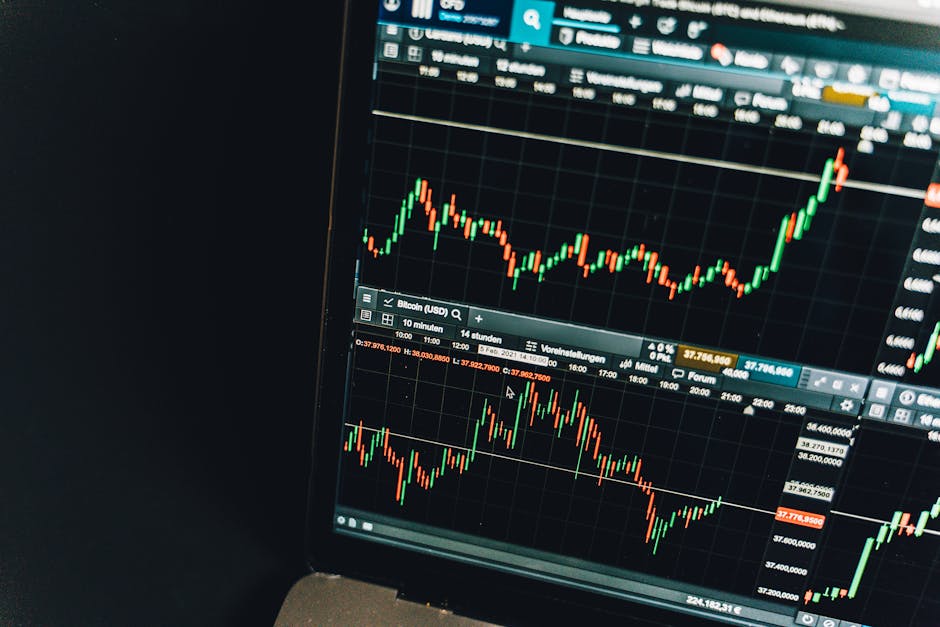
Yes, AI, leveraging machine learning and NLP, can predict stock market volatility by analyzing vast datasets including price trends, economic indicators, and textual information like news and social media sentiment. These advanced models enable investors and financial institutions to anticipate market fluctuations with greater accuracy, supporting more informed decision-making in volatile economic conditions.
In 2024, with persistent inflation, fluctuating interest rates from central banks, and increased recession fears, the ability to forecast volatility is critical. AI-powered tools built by ML and NLP Data Scientists help decode complex market signals that traditional analytical methods often miss, providing a competitive edge in fast-moving financial markets worldwide.
This article explores how machine learning and NLP techniques predict market volatility, why these predictions matter now more than ever, and practical financial advice for investors seeking to incorporate AI insights into their strategies.
Concept Explanation
Stock market volatility refers to the degree of variation in trading prices over time, indicating market uncertainty and risk. Traditionally, volatility is measured through historical data and statistical models such as GARCH. However, AI introduces machine learning algorithms that can capture nonlinear relationships and dynamic market factors.
NLP complements this by analyzing unstructured textual data—financial news, earnings reports, and social media—that influence investor sentiment, a key driver of volatility. By processing sentiment shifts and event outcomes in real-time, NLP models enhance the predictive power of volatility forecasting.
Machine learning techniques like random forests, LSTM neural networks, and transformer-based models learn from historical patterns to predict future volatility spikes and troughs. These data-driven models continuously refine predictions as new data arrives, adapting to changing market regimes.
Why It Matters Now
The global financial environment in 2024 remains fragile, caught between tightening monetary policies, inflation uncertainties, and geopolitical risks that threaten economic stability. Volatility episodes can trigger large portfolio swings, causing losses or unexpected gains. Investors require more sophisticated predictive tools to navigate this uncertainty effectively.
Additionally, the rise of digital assets and decentralized finance increases system complexity, necessitating AI's role in interpreting new market dynamics and regulatory developments. Machine learning and NLP-based predictions allow fund managers and retail investors alike to adjust market exposure dynamically, mitigating risks related to sudden volatility surges.
Furthermore, as central banks like the Fed and ECB continue to adjust rates with caution, understanding how these actions influence volatility becomes crucial. AI offers proactive signals that traditional models might overlook amid rapidly evolving global wealth and investment trends.
How AI Is Transforming This Area
Artificial intelligence transforms volatility prediction by automating data ingestion from diverse sources and applying complex algorithms to uncover hidden patterns. ML models account for nonlinear dependencies and regime shifts that classical econometric models often fail to capture.
NLP enhances these insights by quantifying market mood from textual sources, allowing AI systems to anticipate volatility spikes triggered by news events or shifts in investor sentiment. This integrated approach results in higher predictive accuracy and timelier alerts.
Platforms like rupiya.ai deploy AI-driven dashboards that aggregate quantitative and qualitative data, providing comprehensive volatility forecasts that inform trading strategies and risk management decisions. These AI-powered tools enable automated rebalancing and hedging aligned with forecasted risk profiles.
Real-World Global Examples
BlackRock, one of the largest asset managers worldwide, utilizes machine learning models to predict volatility and optimize portfolio allocations, particularly under uncertain macroeconomic conditions. Their AI systems analyze alternative data sources, including textual news sentiment, to adjust risk exposure dynamically.
In Europe, Deutsche Bank applies NLP to monitor social media and news sentiment to forecast market disruptions, improving internal risk controls and client advisory services. Asian markets witness AI-enhanced volatility forecasts from firms like SoftBank Group, supporting algorithmic trading and derivatives pricing.
Crypto trading platforms use AI models to anticipate price swings in digital asset markets, marked by extreme volatility and speculative behavior. This cross-sector adoption highlights AI's growing influence in shaping investing decisions across traditional and emerging financial landscapes.
Practical Financial Tips
Investors seeking to leverage AI-driven volatility predictions should access fintech platforms offering real-time AI insights and sentiment analysis. Combining traditional fundamental analysis with ML and NLP outputs enhances risk-adjusted return potential.
Diversification strategies should be dynamically adjusted based on AI volatility signals to avoid overexposure during turbulent periods. Employing automated rebalancing linked to predictive models helps maintain targeted risk levels without manual intervention.
Engaging with AI financial advisors, such as tools powered by rupiya.ai, provides retail investors with expert-level data interpretation and tailored investment recommendations aligned with market volatility forecasts.
Future Outlook
As AI technologies evolve, stock market volatility prediction models will grow more precise and holistic, incorporating broader datasets like satellite imagery, economic indicators, and real-time news analytics. Emerging deep learning approaches may uncover unprecedented market insights, aiding crisis prevention and capital allocation.
The fusion of AI with human expertise will be critical, ensuring models are interpretable and adaptive to black swan events that purely data-driven methods might miss. Institutional adoption will expand, with regulatory frameworks evolving to oversee AI's role responsibly in financial markets.
Integration of quantum computing may further accelerate volatility forecasting, though this remains nascent. Continuous investment in AI skillsets among financial professionals is essential to maximize the benefits of these transformative technologies.
Ethical Concerns in AI-Based Volatility Prediction
While AI enhances prediction capabilities, ethical challenges arise, including potential manipulation, data privacy breaches, and model bias. Overreliance on AI without human oversight risks systemic vulnerabilities if models amplify herd behaviors or fail in unprecedented conditions.
Transparency in how volatility forecasts are generated and used is critical for maintaining market integrity. Firms must implement governance frameworks ensuring fairness, accountability, and compliance with data regulations when deploying AI models.
Addressing these concerns proactively fosters trust among regulators, investors, and clients, supporting the sustainable integration of AI in financial decision-making.
Frequently Asked Questions
What data does AI use to predict stock market volatility?
AI analyzes historical price data, economic indicators, news sentiment, and social media to forecast volatility.
How accurate are AI models in predicting market fluctuations?
AI models improve accuracy over traditional methods but are not infallible, especially during unforeseen black swan events.
Can retail investors access AI volatility predictions?
Yes, many fintech platforms provide AI-powered tools tailored to retail investors for market risk insights.
What ethical issues arise with AI in volatility prediction?
Issues include bias in models, data privacy concerns, and risks of market manipulation without transparency.