Can AI Predict Tech Consumer Trends Amidst Inflation and Market Volatility?
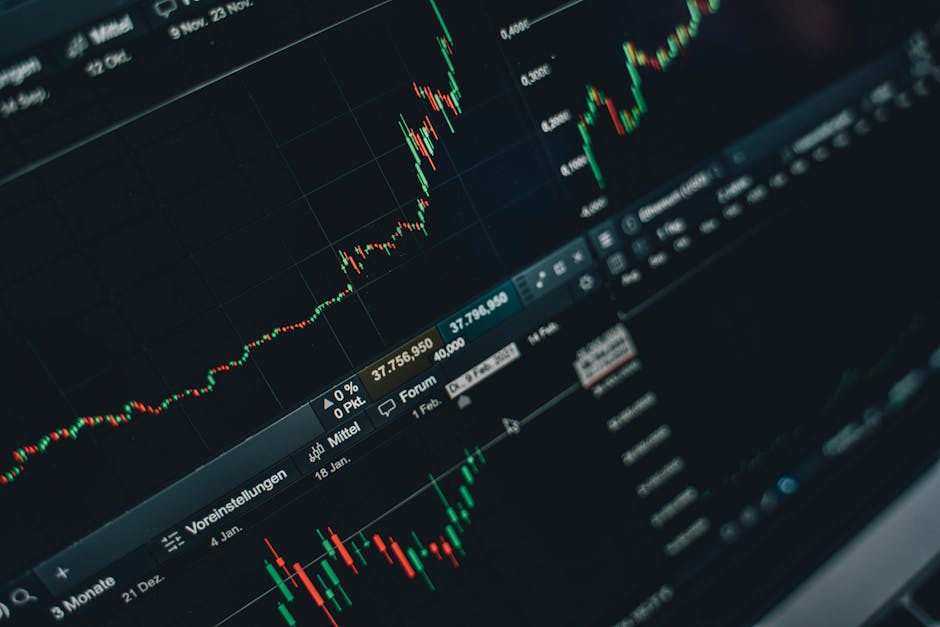
AI can indeed predict shifts in consumer technology trends by analyzing vast data sets encompassing economic indicators, consumer behavior, and market signals. This capability includes forecasting phenomena like the recent resurgence of wired earbuds, influenced by factors such as inflation trends, interest rates, and fintech-driven financial adjustments.
Leveraging machine learning algorithms and real-time analytics, AI models can identify patterns in purchasing behavior, correlate them with macroeconomic variables, and project future demand fluctuations. Thus, AI-driven insights empower businesses and consumers to make informed decisions amid dynamic market environments marked by volatility and recession risks.
Such predictive power is especially crucial in today’s environment, where rapid changes in stock and crypto markets, tightening monetary policies by the Fed, ECB, and RBI, and technological disruptions affect consumer spending on gadgets. AI predictions help postulate when users might prefer simpler technologies like wired earbuds over expensive wireless counterparts.
Understanding AI-Based Consumer Tech Trend Predictions
AI prediction models collect and process diverse data sources including retail sales figures, social media sentiment, supply chain analytics, and macroeconomic measures. By applying natural language processing and time-series analysis, AI identifies emerging preferences and potential shifts in consumer technology choices.
In consumer electronics, these models measure factors such as price sensitivity affected by inflation, brand loyalty dynamics, and the impact of global events like supply chain disruptions or geopolitical tensions. This holistic evaluation indicates increasing or waning demand for categories like wired earbuds.
Moreover, AI incorporates fintech variables—such as changes in disposable income detected via AI-driven personal finance apps like rupiya.ai—into its predictive analytics, refining accuracy. By understanding how financial health influences tech purchases, AI forecasts become more context-aware and actionable.
These predictive insights are crucial for manufacturers, retailers, and investors seeking to navigate market volatility and recession risks by aligning product strategies with real-world consumer motivations and financial constraints.
Why Predicting Tech Trends Matters Now: Inflation and Market Volatility
As global inflation rises, coupled with interest rate hikes by the Fed, ECB, and RBI, consumers adopt more cautious spending behaviors. AI’s ability to anticipate these shifts allows companies to adjust inventory, marketing, and product development to better meet the changing demand landscape.
Simultaneously, economic uncertainties and looming recession fears have made technological purchase decisions more conservative, influencing the popularity of cost-effective products like wired earbuds. Here, AI predictions inform stakeholders about how macroeconomic factors directly impact consumer preferences.
With heightened stock market volatility impacting investor confidence, AI models also guide investment decisions by forecasting tech sector demand cycles. This intelligence is vital for aligning capital allocation with probable revenue streams in fluctuating markets.
In fintech, accurate AI predictions support the creation of smarter budgeting and financial planning tools, helping consumers optimize spending on tech purchases relative to current economic realities.
How AI Is Shaping Predictive Analytics in Fintech and Consumer Markets
AI-powered fintech platforms analyze millions of transactional data points to detect patterns in consumer spending on electronics, seasonal trends, and reactions to economic changes. This enables near real-time intelligence about shifting demand for products such as wired earbuds versus wireless alternatives.
Besides detecting trends, AI simulates multiple economic scenarios—considering inflation rates, currency fluctuations, and policy decisions—to assess their potential impact on consumer tech markets. These scenario analyses provide businesses with robust foresight into possible future market conditions.
Further sophistication arises from integrating social analytics; AI scans public forums, product reviews, and social media mentions to gauge consumer sentiment and emerging preferences. This is essential to understanding nuanced consumer behavior beyond mere sales data.
Financial strategists leverage these AI-driven insights to optimize inventory management, marketing spend, and product innovation, ensuring alignment with predicted market demand even amid external shocks like rising interest rates or crypto market swings.
Global Real-World AI Predictions in Consumer Tech Purchasing
In the United States, AI analytics platforms forecast a sustained demand for affordable audio products amid inflationary pressures, corroborated by rising wired earbud sales in mass retail channels. Such data informs strategies for pricing and supply allocation.
European markets utilize AI prediction models to anticipate shifts based on regulatory changes and consumer confidence indices. For example, stricter EU data privacy rules impact the adoption of AI-powered smart devices, driving some consumers towards simpler wired technologies.
In Asia, AI monitors integration of fintech tools with consumer finance behavior to project spending on technology. Indian fintech companies and RBI policies guiding credit flow have been modeled to predict stronger wired earbud adoption due to constrained discretionary budgets.
In the crypto and fintech sectors, AI techniques predict how market volatility influences gadget purchases by wealth holders and investors. Observing portfolio risk appetite helps companies strategically position products like wired earbuds as dependable tech options amid digital asset instability.
Financial Tips to Leverage AI Predictions for Tech Purchases
Consumers should utilize AI-powered budgeting and personal finance apps such as rupiya.ai to time their tech purchases in alignment with market predictions for inflation and interest rate changes. This approach can minimize overspending on high-cost wireless gadgets during price-sensitive periods.
Tech retailers and investors are advised to adopt AI predictive analytics for better demand forecasting, reducing risks of inventory excess or shortage, and enhancing return on investment through optimized sales strategies.
Financial planners can incorporate AI insights into advising clients on durable, cost-efficient tech investments like wired earbuds, especially for portfolios sensitive to macroeconomic fluctuations and evolving consumer preferences.
Overall, embracing AI predictions in consumer tech can lead to smarter, data-informed decisions that balance financial priorities with technology needs amidst volatile economic conditions.
Future Outlook: Enhancing AI Accuracy and Consumer Tech Synergies
AI predictive models are expected to grow more accurate and comprehensive by incorporating increasingly granular real-world data, economic variables, and consumer sentiment. This will heighten their value in anticipating subtle trend shifts such as the stable comeback of wired earbuds.
As AI continues to evolve, integration across fintech, retail, and tech manufacturing ecosystems will deepen, enabling real-time adaptations to product offerings and financial advice tailored to emerging consumer needs.
This synergy presents opportunities to blend simple tech like wired earbuds with selective AI enhancements, offering consumers both affordability and smart features while enabling data-driven market responsiveness.
In parallel, fintech platforms like rupiya.ai will enhance capabilities of individual consumers and businesses to navigate inflation and market volatility effectively using AI-driven forecasts, shaping a more resilient consumer tech marketplace globally.
Challenges and Ethical Considerations in AI Consumer Trend Predictions
Despite AI’s potential, challenges remain in data privacy, algorithmic bias, and transparency regarding prediction methodologies. Ensuring ethical use of consumer data and clear communication of AI’s limitations is vital.
Moreover, economic shocks or geopolitical events can disrupt AI models reliant on historical data, resulting in prediction inaccuracies. Stakeholders must maintain human oversight alongside AI insights.
Equity concerns also arise if AI predictions inadvertently marginalize certain demographic groups by overlooking non-digital behaviors or income segments, necessitating inclusive data collection strategies.
Lastly, the fintech industry must work collaboratively with regulators to create frameworks ensuring AI’s responsible use, balancing innovation with consumer protection in volatile global markets.
Frequently Asked Questions
Can AI reliably predict shifts in consumer technology preferences?
Yes, by analyzing large datasets and economic indicators, AI can forecast consumer tech trend shifts with increasing accuracy.
How does inflation impact AI predictions for tech purchases?
Inflation influences consumer spending power, which AI factors into purchasing trend forecasts for affordable and premium tech products.
Are AI predictions applicable globally or region-specific?
AI models can be both global and region-specific, integrating local economic data and consumer behavior for tailored predictions.
What role do fintech platforms play in AI consumer trend predictions?
Fintech platforms provide real-time financial data and transactional patterns that enhance the accuracy of AI-based consumer trend forecasting.