How Does AI Impact Autonomous Drone Navigation in Counter-Unmanned Aircraft Systems?
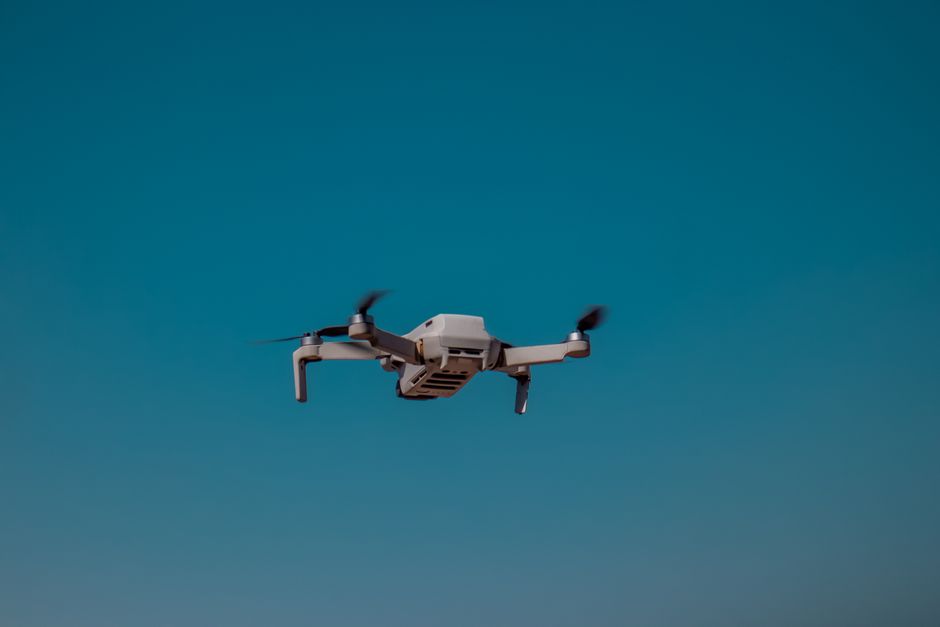
AI profoundly impacts autonomous drone navigation by providing advanced perception, decision-making, and adaptability essential for counter-unmanned aircraft systems (counter-UAS) to succeed in GPS-denied environments. By integrating sensor fusion, machine learning, and real-time analytics, AI enables drones to navigate complex terrains, detect threats, and execute countermeasures autonomously. This technological synergy drives significant changes in defense operations and dovetails with the current inflationary environment affecting global finance and defense budgets.
As inflation pressures and rising interest rates from global monetary authorities constrain fiscal space, the role of AI in optimizing counter-UAS efficacy and cost-efficiency gains strategic importance. AI-powered autonomous systems like NorthStrive’s patented GPS-denied navigation offer compelling operational advantages that drive government procurement and investor interest amid volatile stock markets and evolving fintech innovations.
This blog delves into the underlying AI mechanisms transforming autonomous drone navigation within counter-UAS frameworks, why the timing is critical, and the implications for global financial markets and defense technology investments.
Concept Explanation
Counter-unmanned aircraft systems (counter-UAS) are designed to detect, identify, and neutralize unauthorized drones posing security risks. Autonomous drone navigation within these systems requires precision, speed, and adaptability without dependence on GPS due to potential signal jamming.
AI technologies enable drones to self-navigate using onboard sensors such as LiDAR, radar, cameras, and inertial measurement units (IMUs). AI algorithms process inputs to create dynamic maps and predictive models, allowing drones to autonomously adjust routes and tactics to evade threats and maintain operational integrity.
The integration of deep learning and reinforcement learning facilitates continuous improvement in path planning and obstacle avoidance, critical for drones operating in contested environments where adversaries deploy sophisticated electronic warfare.
Why It Matters Now
The accelerating proliferation of commercial and military drones, often used for surveillance and offensive operations, elevates the urgency for effective counter-UAS solutions. Simultaneously, economic realities shaped by high inflation and rising interest rates compel defense sectors to demand AI-augmented technologies that maximize return on investment.
Geopolitical flashpoints in Eastern Europe, Asia, and the Middle East have demonstrated vulnerabilities to drone incursions, driving heightened investment in autonomous navigation AI to counter asymmetric threats. This defense innovation trend aligns with the broader AI fintech surge focusing on predictive analytics and risk mitigation in volatile markets.
Moreover, inflation-induced supply chain disruptions have increased the value of AI-enabled autonomous systems that reduce maintenance needs and operational downtime, reinforcing the financial rationale for their accelerated adoption.
How AI Is Transforming This Area
AI transforms autonomous drone navigation by enabling real-time processing of multi-modal sensor data to create accurate situational awareness despite GPS denial. Algorithms trained on diverse environments empower drones to detect nuanced visual and infrared signatures that human operators might miss.
Through AI-driven swarm intelligence, multiple counter-UAS drones can coordinate autonomously, sharing sensory inputs to optimize area coverage and threat interdiction while minimizing human control requirements.
In financial analysis, AI supports cost-benefit optimization, projecting lifecycle maintenance expenses and operational efficiencies that inform investment decisions under inflationary cost pressures and changing interest rate environments.
Simultaneously, AI enhances cybersecurity layers protecting autonomous navigation systems from hacking or spoofing attacks, a critical factor as defenses become increasingly reliant on interconnected digital systems.
Real-World Global Examples
Chinese AI companies have advanced autonomous drone swarms for border surveillance and defense, equipped with GPS-denied navigation capabilities. These systems have been showcased during military drills simulating complex electronic warfare scenarios, highlighting operational resilience.
European initiatives, such as the EU’s Horizon programs, fund research into AI-enabled counter-UAS systems that operate independently of GPS, ensuring operational continuity given the heightened Russian drone threat in Ukraine.
In the US, NorthStrive’s acquisition of patented GPS-denied technology complements Defense Advanced Research Projects Agency (DARPA) projects aimed at fielding fully autonomous drone interceptors, reflecting increased federal defense budgets despite inflationary economic pressures.
Financial markets across Asia have seen increased venture capital activity in startups focusing on AI-driven counter-UAS technology, supported by fintech platforms analyzing risk-adjusted returns in this emergent defense tech segment.
Practical Financial Tips
Investors should closely monitor AI startups and established defense contractors innovating in GPS-denied autonomous systems, as these firms are prime beneficiaries of both government funding increases and private sector interest in AI fintech solutions.
A dual approach combining traditional equity positions with exposure to blockchain-based tokenized defense assets may offer diversified growth potential while managing volatility caused by inflation and monetary policy shifts.
Leveraging advanced AI financial analytics platforms like rupiya.ai can help investors anticipate market fluctuations driven by geopolitical events and inflation data releases, informing timely portfolio adjustments focused on the AI defense niche.
Understanding regulatory developments affecting autonomous drones and AI usage is equally crucial to avoid unforeseen compliance costs and align investment horizons with the technology adoption lifecycle.
Future Outlook
AI’s role in autonomously navigating drones within counter-UAS systems will expand significantly by 2030, fueled by advancements in sensor technologies, computational power, and machine learning models. Integration with broader AI defense networks will increase operational sophistication and interconnectivity.
Inflation and interest rate trajectories will dictate the funding scale for such technologies, but strategic imperatives to secure airspace are anticipated to maintain momentum. The fusion of AI fintech and defense technology is likely to spawn new financial products aimed at capitalizing on this growth area.
Investors and defense planners alike should anticipate more collaborative international efforts to create interoperable AI-driven autonomous drone systems, supported by shared data frameworks and standardized AI models.
Platforms such as rupiya.ai will become invaluable in synthesizing geopolitical risk, AI innovation trends, and financial analytics to guide informed decision-making under complex, fluctuating market conditions.
Risks and Limitations
Despite significant benefits, AI-driven autonomous drone navigation faces risks including technology reliability under ambiguous conditions, susceptibility to adversarial AI attacks, and ethical concerns surrounding autonomous lethal systems. These limitations could delay deployment timelines or trigger regulatory scrutiny.
Operational limitations in sensor accuracy or AI model generalization across environments could impair navigation performance, requiring ongoing research investments and risk mitigation strategies.
Economic risks tied to inflation-induced budget cuts or geopolitical shifts could restrict widespread adoption or slow market growth, affecting venture returns and stock valuations in the defense AI fintech segment.
Therefore, while the future potential is strong, prudent investors and defense agencies must incorporate risk assessments, regulatory compliance, and ethical frameworks into their AI autonomous drone navigation strategies.
Frequently Asked Questions
What role does AI play in counter-UAS autonomous drone navigation?
AI processes sensor data in real-time to enable drones to navigate and respond autonomously without GPS reliance.
Why is GPS-denied navigation critical for defense drones?
It ensures drones remain operational even when GPS signals are jammed or unavailable due to electronic warfare.
How do inflation and interest rates affect defense AI investments?
They influence government defense budgets and investor risk appetite, impacting funding for AI defense technologies.
Are there risks associated with AI autonomous drone navigation?
Yes, including technology reliability challenges, potential adversarial attacks, and evolving regulatory and ethical concerns.