How AI Portfolio Management Is Helping Investors Navigate the 2026 Global Polycrisis
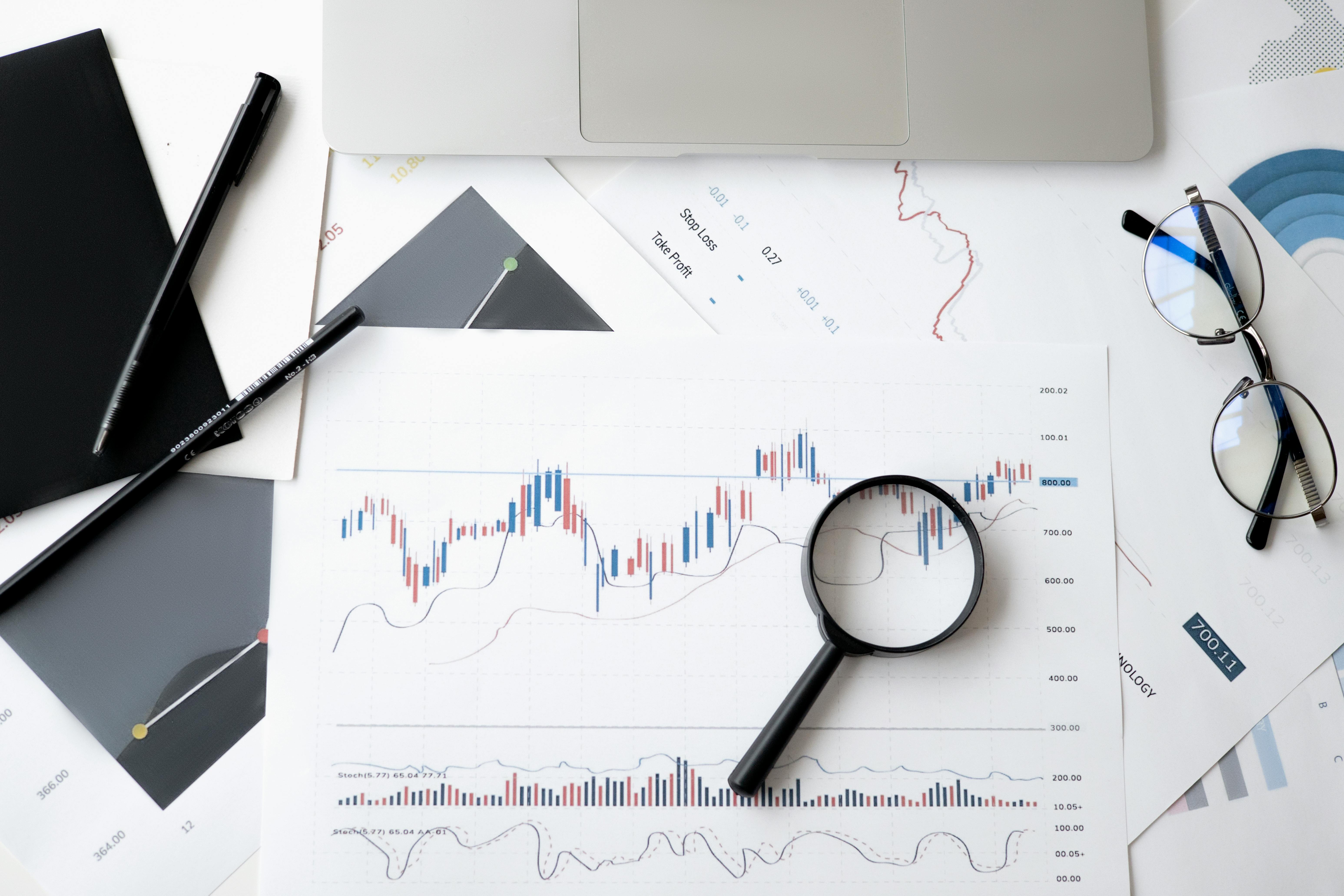
AI portfolio management is helping investors navigate the 2026 global polycrisis by continuously scanning macroeconomic shocks, from sticky inflation and unpredictable interest rate paths to climate disruption and geopolitical conflict, then rebalancing portfolios in near real time instead of waiting for quarterly reviews. Where a traditional advisor might revisit an allocation once a season, machine learning models process thousands of data points an hour, flagging risk concentrations before they compound into losses.
The term polycrisis has moved beyond academic circles into boardrooms and trading desks. Just as the fashion industry is being forced to rethink its old playbook amid converging socioeconomic crises, climate disasters, and geopolitical conflicts, investors are discovering that buy-and-hold strategies built for a slower, more predictable world no longer withstand the speed of modern shocks. A tariff announcement, a central bank surprise, and a supply chain disruption can now hit in the same trading week.
This is precisely where artificial intelligence has shifted from a nice-to-have research tool to a core defensive layer inside modern wealth management. Platforms like rupiya.ai and other AI-driven advisory tools are being used not to chase returns, but to protect capital during periods when human judgment alone struggles to process the sheer volume of simultaneous global signals. Later in this piece, we also examine whether AI can genuinely predict the next stock market crash, a question every investor is now asking.
What Is AI Portfolio Management
AI portfolio management refers to the use of machine learning models, natural language processing, and predictive analytics to construct, monitor, and rebalance investment portfolios with minimal manual intervention. Unlike traditional robo-advisors from the 2010s that followed static rules based on age and risk tolerance, modern AI systems ingest live macroeconomic data, earnings transcripts, bond yield curves, and even satellite shipping data to adjust allocations dynamically.
These systems typically combine several layers: a data ingestion layer that pulls in market feeds and alternative data, a modeling layer that forecasts volatility and correlation shifts, and an execution layer that rebalances positions automatically within pre-approved risk bands. The result is a portfolio that behaves less like a fixed pie chart and more like a living system that responds to changing conditions across currencies, equities, bonds, and increasingly, digital assets.
Importantly, AI portfolio management does not remove the investor from the loop. Most credible platforms position AI as a co-pilot rather than an autopilot, surfacing recommendations that a human advisor or the investor themselves ultimately approves. This human-in-the-loop design has become the industry standard after several overly autonomous trading algorithms triggered flash crashes in earlier market cycles.
Why It Matters Now
In 2026, the Federal Reserve, European Central Bank, and Reserve Bank of India are all navigating a delicate balance between taming residual inflation and avoiding a hard landing. Rate decisions that once moved markets predictably now trigger sharper, faster reactions because algorithmic trading dominates daily volume. A quarter-point surprise from the Fed can ripple through emerging market currencies within minutes, not days.
Layered on top of monetary policy uncertainty are climate-driven supply shocks, renewed trade tensions between major economies, and lingering fragility in regional banking systems following the stress events of the mid-2020s. This is the same polycrisis dynamic reshaping industries like fashion, where converging crises no longer arrive one at a time but stack on top of each other, compressing the time investors have to react.
For retail and institutional investors alike, the cost of reacting slowly has risen sharply. A portfolio that is not continuously monitored for correlation risk, currency exposure, and sector concentration can lose a meaningful percentage of value in a single volatile week. This urgency is exactly why AI-driven monitoring has moved from a premium feature to a baseline expectation among serious investors.
How AI Is Transforming This Area
Generative AI copilots are now embedded inside major brokerage platforms, summarizing earnings calls, flagging unusual options activity, and translating dense central bank statements into plain-language risk alerts. Sentiment analysis models scan millions of news articles, social media posts, and analyst notes daily to detect shifts in market mood well before they show up in price action.
Predictive risk engines have also become far more sophisticated, using techniques like volatility clustering and anomaly detection to identify when markets are entering a fragile regime. This connects directly to the growing question of whether AI can predict the next stock market crash, a topic that deserves its own deeper examination given how much capital now depends on the answer.
Agentic AI systems, which can execute multi-step research and rebalancing tasks with limited human prompting, are the newest frontier. Instead of simply alerting an investor to a risk, these systems can propose a specific hedge, calculate its cost, and queue the trade for one-click approval, compressing what used to be a days-long advisory process into minutes.
Real-World Global Examples
In the United States, BlackRock's Aladdin platform processes trillions of dollars in assets, using AI-driven risk analytics to stress-test portfolios against scenarios ranging from oil price shocks to sovereign debt crises. In Europe, fintech wealth managers have integrated AI models that automatically shift allocations away from energy-intensive sectors when climate policy risk rises, a direct response to the continent's aggressive decarbonization targets.
In Asia, firms like Ant Group and Ping An have built AI advisory tools serving tens of millions of retail investors, using behavioral data to prevent panic-selling during volatile sessions. Meanwhile, crypto-native platforms now deploy AI trading bots that monitor on-chain data alongside traditional macro indicators, reflecting how digital assets have become inseparable from broader portfolio strategy.
These examples share a common thread: AI is not replacing the fundamental principles of diversification and risk management, it is executing them with a speed and consistency that manual processes cannot match, especially when multiple crises are unfolding simultaneously across different time zones.
Practical Financial Tips
Investors should treat AI portfolio tools as a risk-monitoring layer rather than a guaranteed profit engine. Set clear boundaries on how much of your portfolio an AI system can rebalance autonomously, and review its recommendations rather than accepting every trade blindly, since even the best models can misread unprecedented events.
Maintain diversification across geographies and asset classes, including a modest allocation to inflation-resistant assets, since AI models trained primarily on historical data can underweight tail risks that have not occurred before. Combine AI-generated insights with your own understanding of your time horizon and liquidity needs, particularly during periods of heightened volatility.
Finally, review the fee structure of any AI-driven advisory platform carefully. Some charge a flat advisory fee while others layer performance fees on top of standard management costs, and these differences compound significantly over a multi-year investment horizon.
Future Outlook
By 2027, expect AI portfolio management to become a standard feature across nearly all major brokerage and wealth platforms, not a premium add-on. Regulatory bodies including the SEC and ESMA are already drafting frameworks specifically addressing algorithmic trading transparency and AI-driven advisory accountability, which should improve investor confidence in these tools over time.
The next wave of innovation will likely focus on personalization, with AI systems tailoring risk responses not just to a portfolio's composition but to an individual investor's documented behavioral patterns during past downturns. This could meaningfully reduce the panic-driven selling that has historically amplified market crashes.
As polycrisis conditions persist across climate, geopolitics, and monetary policy, AI's role will likely expand from portfolio defense to proactive scenario planning, helping investors stress-test their holdings against combinations of shocks that would have been nearly impossible to model manually just five years ago.
Risks and Limitations of AI Portfolio Management
AI models are only as good as the data and assumptions underlying them, and most are trained heavily on historical patterns that may not repeat during genuinely novel crises. Overreliance on AI can also create herding risk, where many funds using similar models rebalance in the same direction simultaneously, potentially amplifying rather than dampening volatility.
Black-box decision-making remains a genuine concern, since some deep learning models cannot fully explain why they recommend a particular trade, making it harder for regulators and investors to audit decisions during a crisis. Data privacy and cybersecurity are additional risks, given how much sensitive financial information these platforms must process continuously.
Investors should view AI as a powerful risk-management tool with real limitations, not an infallible oracle, and should always maintain a human checkpoint for major portfolio decisions, especially during periods of extreme market stress.
Frequently Asked Questions
What is AI portfolio management?
AI portfolio management uses machine learning and predictive analytics to monitor, adjust, and rebalance investment portfolios in real time based on live market and macroeconomic data.
Can AI protect my investments during a global polycrisis?
AI can reduce risk exposure faster than manual methods by flagging correlation and concentration risks early, but it cannot eliminate market risk entirely.
Is AI portfolio management only for large institutional investors?
No, AI-driven advisory tools are now widely available to retail investors through fintech platforms and robo-advisors, often at lower cost than traditional advisors.
Does AI replace human financial advisors?
AI typically works alongside human advisors as a co-pilot, handling data-heavy monitoring while humans retain oversight on major financial decisions.