Huawei's DRAM Fab Gamble: How Chip Independence Could Reshape Global Memory Prices
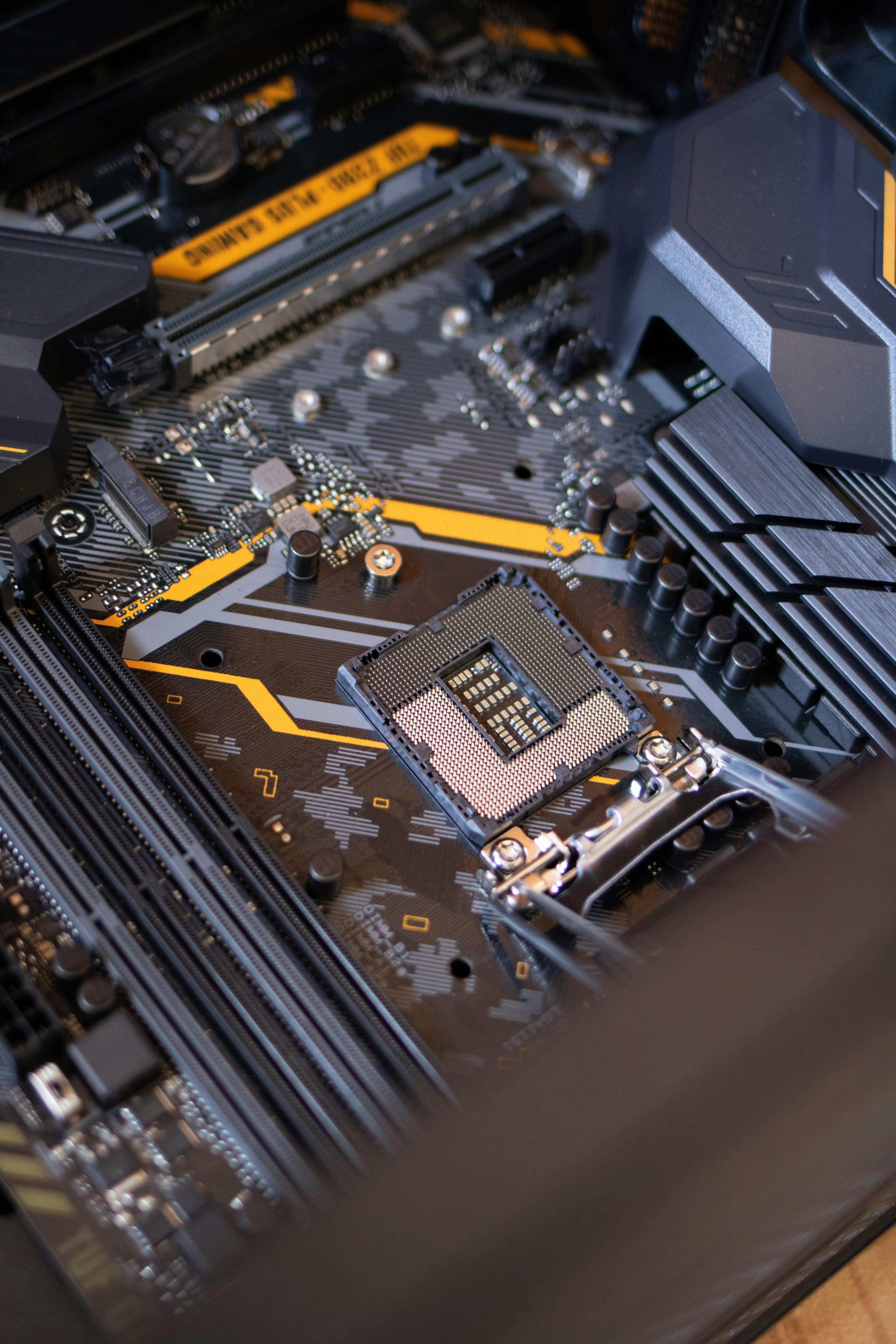
Huawei is building its own DRAM fabrication facility, a move that could reshape global RAM prices because it directly attacks the supply bottleneck that has kept memory chip costs elevated for over a year. DRAM, the memory chip found in everything from smartphones to AI servers, has been in chronically short supply as manufacturers redirected capacity toward high-bandwidth memory for AI accelerators. By entering DRAM production domestically, Huawei is not just building factories; it is attempting to rewrite the economics of an entire technology supply chain that touches consumer electronics, cloud computing, and financial infrastructure alike.
The timing is significant. Global markets have watched memory prices climb sharply through 2025 and into 2026, driven by insatiable demand from data centers training large language models. Samsung, SK Hynix, and Micron have effectively controlled the DRAM market for years, and any new entrant capable of meaningful output changes the competitive calculus. For a company operating under years of US export restrictions, building an independent memory supply chain is both a strategic necessity and a bold economic statement about China's semiconductor ambitions.
For investors, technology buyers, and fintech operators alike, this story extends far beyond hardware. Memory chip prices ripple into the cost structures of AI companies, banks running machine learning infrastructure, and even consumer devices tied to digital finance apps. As rupiya.ai and other AI-driven financial platforms increasingly depend on compute-heavy infrastructure, shifts in chip economics are no longer a niche engineering concern; they are a macroeconomic variable worth watching closely alongside inflation and interest rate trends.
Concept Explanation
DRAM, or dynamic random-access memory, is the short-term memory that powers virtually every computing device, from smartphones to servers running AI models. Unlike processors, DRAM has historically been a commodity product dominated by a small handful of manufacturers, primarily Samsung, SK Hynix, and Micron, who together control roughly 90 percent of global supply. This concentration means that any disruption, whether from geopolitical tension, natural disaster, or surging AI demand, can send prices swinging dramatically across the entire technology ecosystem.
Huawei's push into DRAM fabrication represents an attempt at vertical integration born out of necessity. Since 2019, US export controls have cut Huawei off from advanced chips and chipmaking equipment, forcing the company to rebuild its supply chain domestically with Chinese partners. Building a DRAM fab is technically demanding, requiring years of research, specialized lithography equipment, and enormous capital investment, but it signals China's broader strategy of achieving self-sufficiency across critical technology sectors, including memory chips that were previously considered too complex to localize quickly.
The strategic value of DRAM independence cannot be overstated for a company like Huawei, which builds everything from smartphones to enterprise servers to telecommunications infrastructure. Every device Huawei manufactures requires memory chips, and reliance on foreign suppliers creates both cost pressure and national security exposure. A domestic DRAM fab reduces that dependency while positioning Huawei, and by extension China's tech sector, to compete more aggressively on price and supply reliability in global markets.
Why It Matters Now
The global memory chip market has been under sustained pressure for over a year, and the shortage shows no signs of easing organically. AI data centers require massive quantities of high-bandwidth memory to train and run large language models, and this demand has effectively crowded out traditional DRAM production capacity. As a result, prices for standard RAM used in laptops, smartphones, and everyday computing devices have climbed steadily, squeezing margins for device manufacturers and ultimately raising costs for consumers worldwide.
Huawei's entry into DRAM manufacturing arrives at a moment when the world is desperate for additional supply, as the trending narrative explicitly notes. If Huawei can scale production even modestly, it introduces a new competitive force into a market that has operated as a near-oligopoly for decades. This matters enormously for global inflation dynamics as well, since technology hardware costs feed directly into consumer price indexes tracked by central banks including the Federal Reserve, the European Central Bank, and the Reserve Bank of India.
There is also a geopolitical dimension that financial markets cannot ignore. A successful Huawei DRAM operation would reduce China's dependency on South Korean and American memory suppliers, altering trade balances and potentially triggering retaliatory trade policy from Washington and Seoul. Investors in semiconductor equities, from Micron to SK Hynix, are already pricing in scenario risk around Chinese self-sufficiency, and any confirmed capacity milestones from Huawei could trigger meaningful volatility across chip stocks and related supply chain equities.
How AI Is Transforming This Area
Artificial intelligence sits at both ends of this story, as both the cause of the memory shortage and the tool increasingly used to solve it. AI training clusters consume enormous volumes of high-bandwidth memory, and this demand surge is precisely why DRAM supply has tightened so severely over the past year. Simultaneously, semiconductor manufacturers, including Huawei's partners, are deploying AI-driven design tools and process optimization software to accelerate fab construction timelines and improve manufacturing yield rates, something that would have taken years longer using traditional engineering methods alone.
In financial markets, AI-powered analytics platforms are now essential for tracking semiconductor supply chain signals in near real time. Hedge funds and institutional investors use machine learning models to parse shipping data, patent filings, and satellite imagery of fab construction sites to forecast production timelines before official announcements are made. This kind of predictive intelligence gives sophisticated investors an edge in positioning around chip stocks, and platforms like rupiya.ai increasingly integrate similar AI-driven market signal analysis to help retail investors understand how hardware supply chains affect broader portfolio risk.
AI is also reshaping how consumers and businesses respond to hardware price volatility. Predictive procurement tools now help enterprises time bulk memory purchases based on AI-forecasted price trends, reducing exposure to sudden cost spikes. As memory prices remain a live variable through 2026, expect AI-driven cost forecasting to become a standard feature in corporate finance and supply chain management software, further embedding artificial intelligence into the everyday mechanics of global commerce.
Real-World Global Examples
In South Korea, Samsung and SK Hynix have responded to AI-driven demand by aggressively expanding high-bandwidth memory production, even as this reallocation of capacity has worsened shortages of standard DRAM used in consumer devices. This dynamic has already forced smartphone makers across Asia, including Xiaomi and Oppo, to absorb higher component costs or pass them onto consumers, illustrating how a single supply chain shift cascades through multiple national markets simultaneously.
In the United States, Micron has benefited from elevated memory prices, with its stock rallying through 2025 and into 2026 as investors bet on sustained AI infrastructure spending. However, American policymakers have expressed concern that Chinese self-sufficiency in DRAM, driven by companies like Huawei, could eventually undercut US and allied manufacturers on price, prompting renewed discussion of subsidies under frameworks similar to the CHIPS Act to protect domestic semiconductor competitiveness.
In Europe, the ripple effects show up differently, with automotive manufacturers in Germany and France reporting increased component costs for vehicles that now rely heavily on embedded memory chips for infotainment and autonomous driving systems. Meanwhile, in the crypto and fintech ecosystem, mining hardware manufacturers have also flagged rising memory costs as a factor squeezing margins, showing how a chip shortage narrative touches sectors far beyond traditional consumer electronics.
Practical Financial Tips
Investors watching this space should track quarterly earnings commentary from Samsung, SK Hynix, and Micron closely, as management guidance on DRAM pricing and capacity utilization offers the clearest early signal of how Huawei's fab progress is affecting the competitive landscape. Diversifying semiconductor exposure across both memory producers and AI chip designers can help balance portfolio risk, since a supply glut in DRAM would benefit device makers while pressuring memory manufacturer margins.
Consumers and small businesses planning major technology purchases, including laptops, servers, or smartphones, should consider that memory-driven price increases may persist through 2026 before any new supply from Huawei or expanded Western capacity meaningfully eases the market. Timing bulk purchases around manufacturer promotional cycles, rather than waiting for prices to fall organically, is a more reliable near-term strategy given the structural nature of the current shortage.
For those investing through AI-assisted platforms, it is worth using tools that track hardware and semiconductor supply chain news as a leading indicator for broader tech sector volatility. Rupiya.ai's approach to contextualizing macro technology trends alongside personal portfolio data reflects a broader shift toward AI-assisted investing, where understanding hardware economics is no longer optional for anyone holding technology equities or funds with significant chip sector weighting.
Future Outlook
Analysts widely expect Huawei's DRAM ambitions to take several years to reach meaningful commercial scale, given the technical complexity of memory fabrication and the need for specialized equipment that remains subject to export restrictions. Even a partial success, however, could meaningfully alter long-term pricing dynamics by 2027 or 2028, particularly if Chinese domestic demand shifts toward homegrown memory suppliers, reducing reliance on Korean and American producers.
Global memory prices are likely to remain elevated through the remainder of 2026 as AI infrastructure buildout continues unabated across the United States, China, and the Gulf states investing heavily in sovereign AI capacity. Central banks will be watching these trends closely, since sustained technology hardware inflation could complicate efforts to bring overall consumer price inflation back toward target levels, particularly in economies where electronics represent a meaningful share of the consumption basket.
Longer term, a successful Huawei DRAM operation would mark a pivotal moment in the broader decoupling of Chinese and Western technology supply chains, with implications stretching well beyond memory chips into semiconductors broadly. Investors, policymakers, and fintech platforms alike should expect chip geopolitics to remain a persistent, market-moving theme well into the late 2020s.
Market Impact Analysis
The immediate market reaction to news of Huawei's DRAM fab has been cautious optimism among device manufacturers hoping for eventual price relief, tempered by skepticism from semiconductor analysts who note that yield and quality issues typically plague new memory fabs for years before they reach competitive output levels. Equity markets have shown modest but measurable reactions, with Korean memory stocks experiencing brief dips on headlines before stabilizing as investors digested the multi-year timeline involved.
Currency and trade flow implications are also worth monitoring, since a successful Chinese DRAM industry would reduce import demand for South Korean and American memory products, potentially affecting bilateral trade balances and related currency dynamics. Analysts at major investment banks have begun modeling scenarios where Chinese domestic DRAM self-sufficiency reaches 30 to 40 percent of local demand by the early 2030s, a shift that would materially reduce Samsung and SK Hynix's addressable market in their largest export destination.
For AI companies and cloud providers globally, any eventual increase in DRAM supply, whether from Huawei or expanded capacity elsewhere, would directly lower infrastructure costs, potentially accelerating AI adoption across financial services, healthcare, and consumer technology sectors that have been constrained by high compute hardware costs. This makes the Huawei DRAM story a genuine leading indicator for the broader trajectory of AI infrastructure economics worldwide.
Frequently Asked Questions
Why is Huawei building its own DRAM fab?
US export restrictions cut Huawei off from foreign chip suppliers, pushing it to build domestic DRAM capacity to secure supply and reduce dependency on Samsung, SK Hynix, and Micron.
How could Huawei's DRAM fab affect RAM prices?
If Huawei achieves meaningful production scale, it would add new supply to a tight global market, potentially easing the sustained price pressure seen over the past year.
Which companies dominate the current DRAM market?
Samsung, SK Hynix, and Micron together control roughly 90 percent of global DRAM production, making the market highly concentrated and sensitive to new entrants.
How does the DRAM shortage relate to AI?
AI data centers consume massive amounts of high-bandwidth memory, diverting manufacturing capacity away from standard DRAM and driving up prices for consumer devices.